
Pashmina
Bout
Pashmina: The Pinnacle of Luxury in Suiting
Welcome to the world of Pashmina, the epitome of luxury and sophistication in fabric, proudly featured in the exclusive collections of Jaren Savage. With a rich history, unparalleled softness, and a reputation for elegance, Pashmina is a fabric that transcends time and fashion trends. In this comprehensive guide, we delve into the history of the Pashmina goat, the intricate process of crafting Pashmina fabric, its exceptional use in suiting, and the efforts to ensure its sustainability for future generations.
The History of Pashmina
The Pashmina Goat
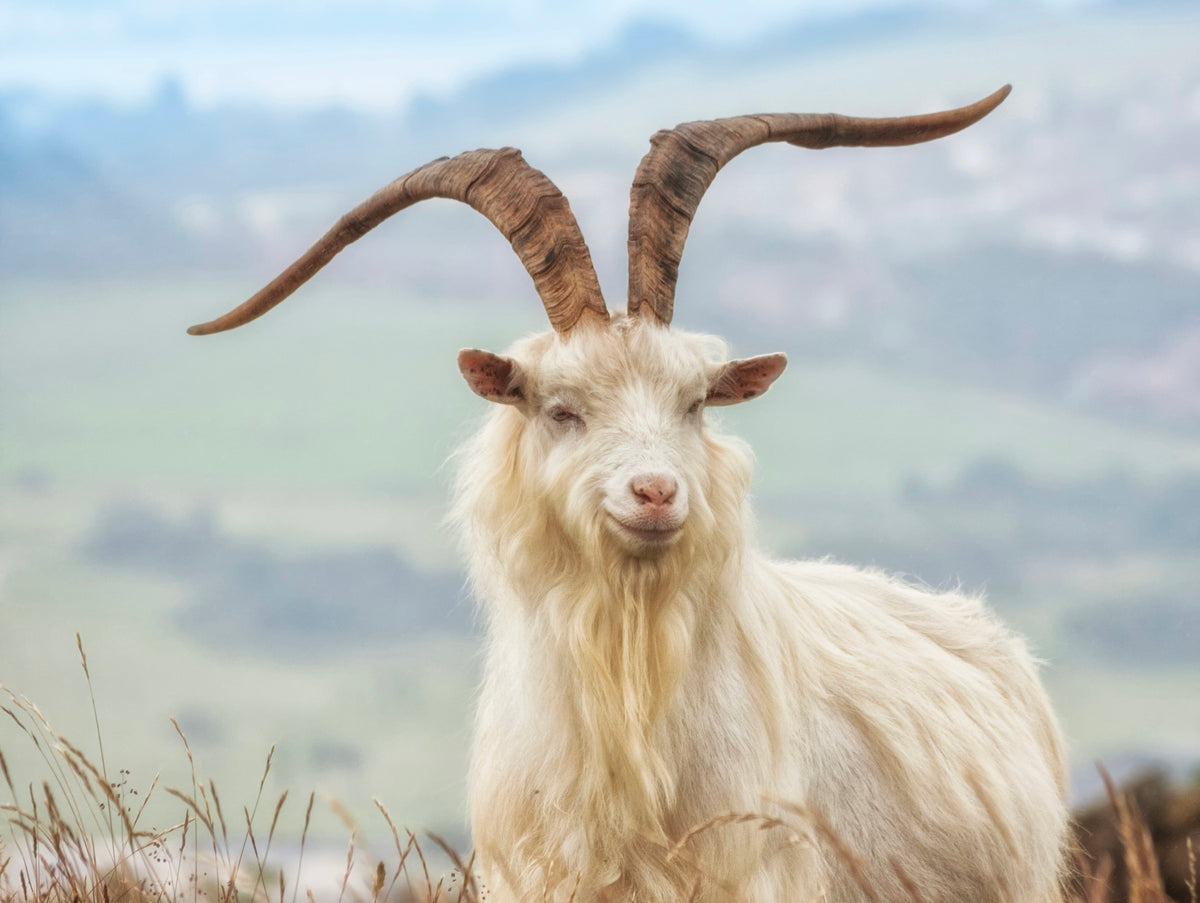
Pashmina wool is derived from the Capra Hircus, a breed of goat native to the high altitudes of the Himalayan region, particularly in Kashmir, India, and Nepal. These goats are adapted to the harsh, cold climates of the mountains, where temperatures can drop below freezing. To survive, they grow a soft, fine undercoat beneath their coarse outer hair, known as the "Pashm" or "Pashmina."
Historical Significance
The history of Pashmina dates back thousands of years. It is believed that the art of weaving Pashmina wool into luxurious textiles originated in the Kashmir Valley around the 3rd century B.C. Over the centuries, Pashmina shawls became a symbol of status and wealth, prized by royalty and nobility across the world. Mughal emperors, European aristocrats, and other historical figures were known to drape themselves in Pashmina shawls, elevating its status as the "fiber for kings."
The Fabric: Pashmina Wool
Characteristics
Pashmina wool is renowned for its exceptional qualities:
- Softness: Pashmina wool is incredibly soft, often compared to a gentle caress on the skin. The fibers are finer and softer than regular wool, making it ideal for delicate garments.
- Warmth: Despite its light weight, Pashmina wool provides superior warmth. This is due to the unique structure of the fibers, which trap air and insulate the body.
- Lightweight: Pashmina is remarkably lightweight, making it perfect for creating garments that are both warm and comfortable without being bulky.
- Breathability: The natural breathability of Pashmina ensures that it remains comfortable to wear in a variety of climates.
Crafting Pashmina Fabric
The process of transforming Pashmina wool into fabric is an art that requires skill, patience, and meticulous attention to detail:
- Collection: The Pashmina wool is collected during the molting season in spring. The undercoat is gently combed from the goats by hand, a process that is humane and ensures the well-being of the animals.
- Sorting: The collected wool is sorted to remove any coarse hairs and impurities. This step is crucial to ensure that only the finest fibers are used.
- Spinning: The sorted wool is spun into yarn using traditional hand-spinning methods. This process can take several days, depending on the quantity and quality of the wool.
- Weaving: The yarn is then woven into fabric on handlooms. Skilled artisans use traditional weaving techniques to create intricate patterns and designs, a process that can take weeks or even months for complex patterns.
- Finishing: The woven fabric is washed, stretched, and finished to enhance its softness and durability. This step may also include dyeing the fabric using natural dyes to achieve a range of rich, vibrant colors.

Pashmina in Suiting
The realm
Elegance and Luxury
Pashmina's luxurious qualities make it an exceptional choice for suiting. At Jaren Savage, we use Pashmina wool to craft suits that are not only visually stunning but also offer unparalleled comfort and warmth. The lightweight nature of Pashmina ensures that our suits drape beautifully, creating a sleek and sophisticated silhouette.
Versatility
Pashmina suits are versatile and suitable for various occasions, from formal events to casual gatherings. The fabric's natural sheen and softness add a touch of elegance to any outfit, making it a preferred choice for those who appreciate fine craftsmanship and timeless style.
Customization
At Jaren Savage, we offer a bespoke tailoring service that allows clients to customize their Pashmina suits to their exact specifications. From selecting the fabric and design to choosing the perfect fit, our skilled tailors work closely with clients to create a suit that reflects their personal style and preferences.
The Rarity and Cost of Pashmina
Rarity
Pashmina is one of the rarest and most sought-after fabrics in the world. The limited supply of raw Pashmina wool, combined with the labor-intensive process of crafting the fabric, contributes to its exclusivity. Each Pashmina goat produces only a few ounces of wool each year, making it a precious and scarce resource.
Cost
The cost of Pashmina reflects its rarity and the intricate craftsmanship involved in its production. Pashmina suits from Jaren Savage range from €15,000 to over €100,000, depending on the complexity of the design and the amount of fabric required. Despite the high cost, the investment in a Pashmina suit is justified by its exceptional quality, durability, and timeless elegance.
Origins of Pashmina
Kashmir and Beyond
While Kashmir remains the heart of Pashmina production, the fabric is also sourced from other regions in the Himalayas, including Nepal and Ladakh. Each region has its own unique techniques and traditions, contributing to the rich diversity of Pashmina textiles.
Cultural Heritage
The production of Pashmina is deeply rooted in the cultural heritage of these regions. Artisans pass down their skills and knowledge through generations, preserving the traditional methods and ensuring that the art of Pashmina weaving continues to thrive.
Historical References
Mughal Emperors
Mughal emperors, including Akbar and Shah Jahan, were known to favor Pashmina shawls. These exquisite garments were often embellished with intricate embroidery and used as symbols of wealth and power.
European Aristocracy
In the 19th century, Pashmina shawls became highly fashionable among European aristocrats. Queen Victoria and Empress Josephine were known to have extensive collections of Pashmina shawls, which they wore on various occasions.
Sustainability Efforts
Ethical Sourcing
At Jaren Savage, we are committed to ethical sourcing and ensuring the welfare of the animals that provide us with Pashmina wool. We work closely with local communities and cooperatives to ensure that the wool is collected humanely and that the goats are well cared for.
Environmental Impact
We strive to minimize the environmental impact of our production processes. Our use of natural dyes and traditional hand-weaving techniques reduces the need for harmful chemicals and energy-intensive machinery, contributing to a more sustainable and eco-friendly approach to fashion.
Supporting Artisans
By supporting traditional artisans and craftspeople, we help to preserve the cultural heritage and skills associated with Pashmina production. Our partnerships with local communities ensure fair wages and improve the livelihoods of those involved in the production process.
Conclusion
Pashmina is more than just a fabric; it is a symbol of luxury, elegance, and timeless style. At Jaren Savage, we are proud to offer Pashmina suits that reflect our commitment to quality, craftsmanship, and sustainability. Each suit is a testament to the rich history and cultural heritage of Pashmina, crafted with the utmost care and attention to detail.
Whether you choose to experience the unparalleled softness and warmth of a Pashmina suit in person or through our bespoke online service, you can be assured of a garment that is as unique and special as you are. Explore the world of Pashmina at Jaren Savage and discover the ultimate in luxury suiting.
Sources
- The Fabric of Kashmir: The Story of Pashmina
- The History of Pashmina Shawls
- Sustainable Practices in Pashmina Production
- Pashmina: The Luxury Fabric of the Himalayas
- The Art of Pashmina Weaving
Explore the luxurious world of Pashmina at Jaren Savage and indulge in the ultimate suiting experience that combines heritage, craftsmanship, and unparalleled elegance.
4o